

Finding Connection Through Education: Cecilia Macias on Creativity, Community, and the SAC Experience
June 1, 2026
For Cecilia Macias, higher education was never just about earning a degree – it was about finding belonging, discovering purpose and learning how to think differently about the world.
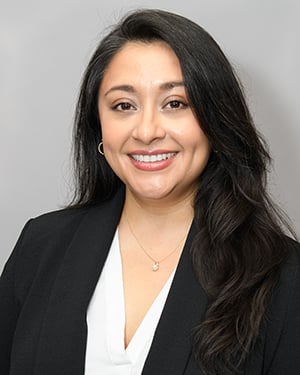 After beginning college at a university that didn’t feel like the right fit, Macias found her academic home at San Antonio College, where she studied art, English, and liberal arts over several years before completing both a bachelor’s degree and master’s degree in English literature at Texas A&M University-San Antonio.
Today, Macias serves as regional advancement director for Blood Cancer United, where she works in fundraising and philanthropy – using many of the same communication, relationship-building, and critical thinking skills she developed as a student. Looking back, she says SAC gave her more than an education. It gave her the opportunity to stay connected to her dreams at a time when continuing school felt uncertain.
SAC: How did your journey to San Antonio College begin?
Macias: I graduated from Floresville High School in 2007 and originally really wanted to go to UT Austin. I graduated in the top 10 percent of my class, and academically I had a lot of opportunities available to me. But financially, it just wasn’t realistic for my family. My parents encouraged me to stay closer to home, so I enrolled at the University of Texas at San Antonio first.
I was there for about a year, but it didn’t feel like the right fit for me. So, I made the decision to transfer to SAC, and honestly, it changed everything. I started taking art classes in 2008 and immediately felt connected – not just to the coursework, but to the people and the environment. SAC gave me the college experience I couldn’t afford to have somewhere else, and it allowed me to continue pursuing an education when it otherwise might not have been possible.
SAC: You’ve talked a lot about critical thinking and creativity. How did your time at SAC shape that?
Macias: One of my professors said something to me that completely stayed with me: “Question everything.” It sounds simple, but at that point in my life, it was transformative.
Studying art at SAC helped me understand how to observe the world, interpret meaning, and think critically, and I was really hungry for that at that point in my life. My professors challenged me in ways that helped me grow intellectually and personally.
Eventually, that led me into the English program, where I had professors who continued pushing me to think differently and see myself differently. That was really the first place where I started to believe I could be a scholar, a writer, and someone whose ideas mattered.
SAC: You spent several years at SAC and earned multiple associate degrees. What was that experience like?
Macias: I was at SAC for a long time, and honestly, I loved it. I completed all the coursework for an associate degree in art first, but because of financial aid and my family’s financial situation, I stayed enrolled and transitioned into studying English as well. I eventually received associate degrees in art, English, and liberal arts.
I joke that I accidentally earned three degrees from SAC, but in reality, it reflects how much time I spent there exploring different ideas, subjects, and creative disciplines. That flexibility is one of the things I appreciate most about community colleges. They give students room to grow and discover who they are academically.
SAC: How did your interests in art and literature connect for you over time?
Macias: To me, art and literature have always been connected. They’re both ways of being in conversation with people, ideas, and culture. Whether through visual art or writing, I’ve always been interested in how we create identity and meaning.
At Texas A&M-San Antonio, I was able to combine those interests in really meaningful ways. My graduate research project included visual art I created at SAC, academic writing, and personal narrative work all together. I also created artwork connected to literary pieces and participated in productions where I designed artwork and helped create set pieces.
Looking back, I can see how all of those experiences really started at SAC, even before I fully understood where they were leading me.
SAC: How do those creative and academic experiences influence the work you do today?
Macias: Today I work in fundraising and philanthropy, and honestly, I use those same skills every day. My work is about connecting with people, telling stories and helping others understand how their support can make a difference.
I write proposals, communicate with donors and build relationships, and all of that requires empathy, critical thinking, and strong communication skills. I don’t feel disconnected from my degrees at all. In fact, I feel like I bring my entire academic and creative background into the work I do every day.
SAC: Why do community colleges matter – especially for students who may feel uncertain about their future?
Macias: Community college mattered for me because it made continuing my education achievable. Even though school wasn’t free for me at the time, SAC was affordable enough that I could continue pursuing my goals while working and figuring things out financially.
Without SAC, I honestly don’t know if I would have been able to continue my education. That’s why I feel so strongly about opportunities like the Alamo PROMISE program today. Students deserve access to education without feeling like finances are the thing standing in their way.
Community colleges create possibility. They give students time to explore, change direction, grow, and discover what they’re capable of becoming.
SAC: What would you say to students who feel unsure about what path they want to take?
Macias: I think students sometimes feel pressure to have a perfectly mapped-out plan, but discovery doesn’t really work that way. The only way to figure out who you are and what matters to you is to act – to make choices, explore, and trust yourself in the process.
SAC: As SAC celebrates its centennial, what does the college mean to you personally?
Macias: SAC is where I first felt connected – as a student, as part of a community, and as someone whose ideas mattered. It’s where professors encouraged me, challenged me, and helped me believe I belonged in higher education.
The faculty show up every day for students from all kinds of backgrounds, and I’ll always be grateful for that. SAC helped me stay connected to my dreams during a really uncertain time in my life, and that impact has stayed with me ever since.
–SAC–