

Dr. Solis Reflects on a Century of San Antonio College
June 16, 2025
Today marks the beginning of a yearlong celebration for San Antonio College as it commemorates a century of uniting alumni and strengthening their ties through education, acts of service, and philanthropy.
During a recent rideshare, Dr. Francisco Solis passed by the San Antonio College campus. The driver mentioned that he had been a student there.
“Oh, I work there,” Solis responded. He didn’t mention that he is currently serving as president after a 23-year career as a faculty member and administrator.
“Do you know Jeff Hunt?” the driver asked. “He was my speech teacher. If not for him, I wouldn’t be in my master’s program today.”
Wherever Solis goes, whether it’s in San Antonio or around the country, there’s always someone telling him how San Antonio College changed their life for the better.
“They remember in great detail when a faculty member or staff took them aside and gave them a pat on the back or words of encouragement that changed the trajectory of their life,” Solis said. “It’s always the same story. It’s just what we do at SAC.”
As SAC prepares to celebrate its 100th anniversary this fall, Solis reflected on the events that led SAC to the present moment and where it will go in the future.
SAC has grown into one of the largest and most acclaimed community colleges in the nation. Student enrollment stands at more than 20,000, with an additional 4,000 students projected to enroll within the next four years.
In 2021, the college received the Aspen Prize for Community College Excellence, the nation’s signature recognition of high achievement and performance among community colleges. SAC is the first community college in Texas to win this honor, placing first among more than 1,000 institutions nationwide.
It’s one of a multitude of awards and honors SAC has won, with many more for individual departments, programs, faculty, and students.
“What I’m so proud of today is that concept: How does an institution founded in 1925 still exist and continue to thrive as an award-winning institution with 20,000 students?” Solis said.
Then and Now
Many of SAC’s most notable accomplishments are the result of foundations laid long ago. Several of the guiding principles that shaped the college in its earliest days have led to more recent successes.
SAC began in 1925 with the idea to create a system where students traditionally excluded from higher education could take rigorous courses, then successfully transfer to a university.
“One hundred years later, those are the same principles that are guiding us in our decision-making today,” Solis said.
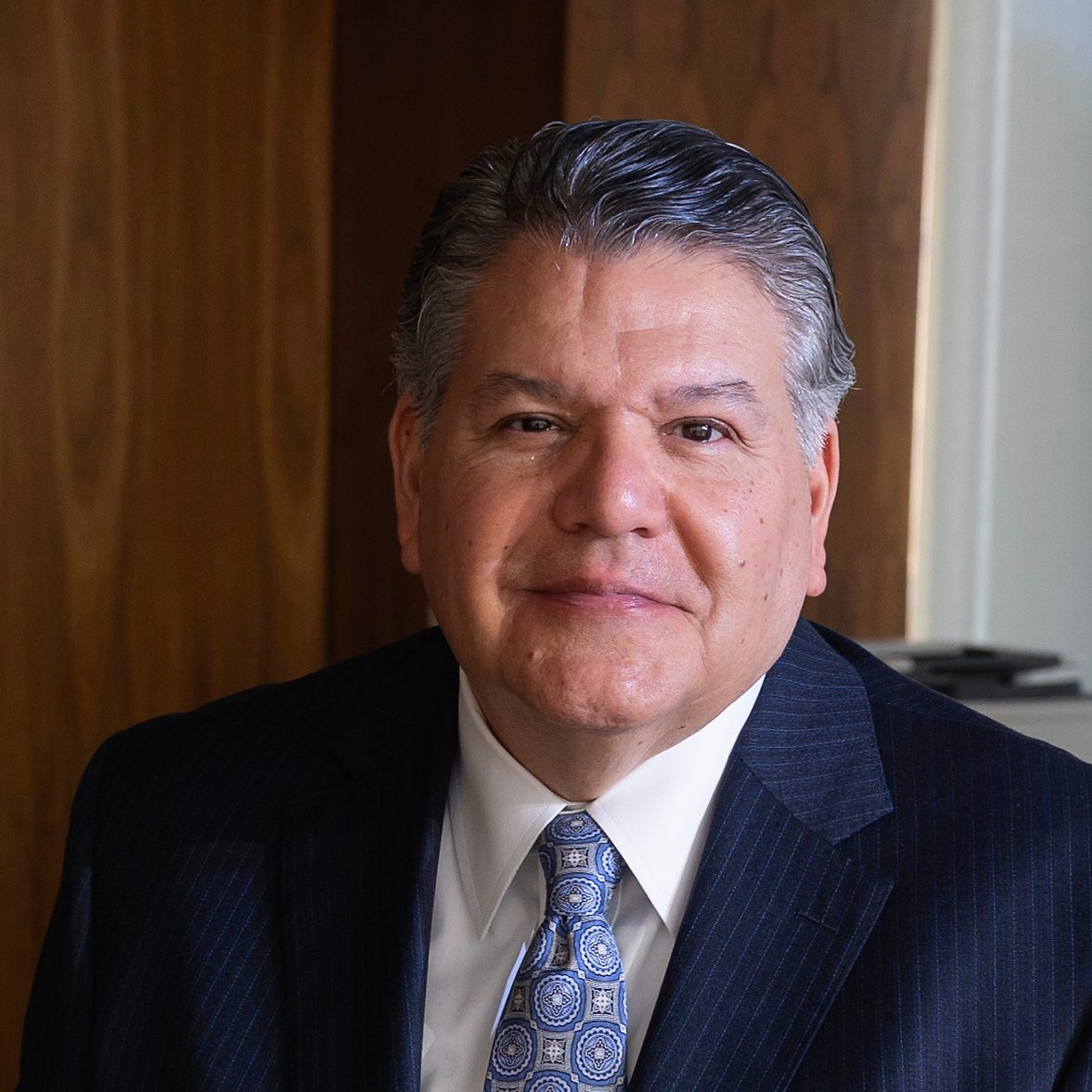 |
"Our students are as competitive as their native peers and succeed at the highest levels." |
When San Antonio Junior College (which would later become SAC) began, the goal was to make college more accessible and affordable. Those are still priorities, with programs such as Alamo Promise providing free tuition to qualifying high school graduates in San Antonio.
SAC graduates often transfer to prominent Texas universities but also earn admission and scholarships to renowned universities elsewhere, such as Stanford, Yale and Princeton. Solis cites data that shows that SAC students who transfer to five local colleges perform better academically than native students.
“Our students are as competitive as their native students and are as successful as those students as well,” Solis said. “We’ve demonstrated through data that our students can and do perform.”
In the early days, classes took place at Main Avenue High School in the evenings, after high school students had left for the day. Today, SAC covers an 82-acre campus just north of downtown San Antonio. As a pioneer in online education, SAC has extended its reach to students far beyond the classroom, with many degrees and certificates available fully online.
SAC currently serves the largest student veteran population in Texas. The college’s Victory Center has been honored for its commitment to supporting the needs of military-connected students and their families. SAC’s focus on meeting the needs of military veterans began with a surge of growth in enrollment after 1945 as service members returned from serving in World War II.
“At one time our largest growth was veterans making use of their benefits,” Solis said.
Looking Forward
In addition to celebrating the history and accomplishments of the past 100 years, Solis believes the Centennial is also a time to focus on the next 100 years. Changes in technology, workforce needs, and student values are driving change throughout the academic world, including SAC.
“I think that’s the challenge of today’s president. How do you keep responding to career changes happening more often than they’ve ever happened before and continue to only increase?” Solis said. “What are we doing to ensure that what our faculty is learning and teaching is relevant to today’s students? Those are the challenges that face us now.”
Recent developments demonstrate SAC’s goal of meeting the needs of today’s students and employers while preparing for the workforce needs of the future.
To keep pace with rapid advances in emerging technology, SAC offers programs to meet the demand for workers in cybersecurity and computer engineering, with training in virtual and augmented reality fields. A new AI degree program will launch in Fall 2025.
The college recently added a new state-of-the-art building with laboratory classrooms for students in the life sciences. Students can now earn a bachelor’s degree in nursing at SAC, expanding their skills and career opportunities while meeting the city’s healthcare needs.
“Today when we’re thinking about the work we’re doing, to position SAC for the next 100 years, we’re determining what that looks like,” Solis said. “Right now, across the country, everyone is questioning the value of higher education in general. Today’s students don’t want debt. They want to compete in university-level programs and get a well-paying job.”
Solis spent 16 years teaching mortuary science at SAC before becoming an administrator. He still keeps in touch with former students, using social media to encourage them in their careers. Even now, he can often be found at campus events or talking with students on the quad. Being present to students, staff and faculty is an important part of leadership to him.
That student-first philosophy is something Solis looks for in faculty. He’s continued the policy of his predecessor, former SAC President Dr. Robert Vela, of interviewing all full-time hires.
“I want to know where their heart is, to learn a little bit about them and why they chose to apply at SAC,” Solis said. “They have phenomenal stories. A lot of them have taught in other places and done their research to know that this is where they want to be.”
It’s one of the ways Solis plans to keep the transformational student stories continuing well into the next century.
- SAC -