




Uncrewed Aerial Systems Coming Soon
Program Level:
Certificates
Department:
Transportation and Manufacturing Technologies
Institute:
Advanced Manufacturing & Logistics
College:
SPC
What is Uncrewed Aerial Systems?
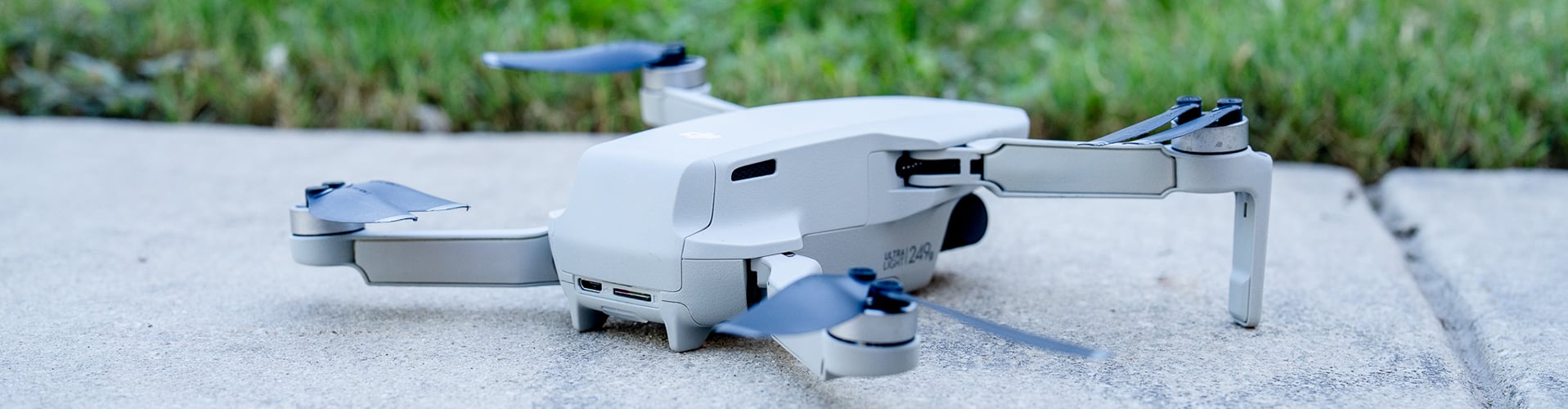
Uncrewed Aerial Systems (UAS) programs prepare students for careers in drone operation and aerial data analysis across industries like agriculture, construction, energy, emergency services, and media
Focused on hands-on flight training aimed at FAA Part 107, 108 certification, and technical skills leading to entry-level drone
What's special about the program?
The program offers a Level I Certificate, a Level II Certificate, and an AAS degree in drone operation, along with FAA prep certification
What will I learn?
In a Drone Pilot Part 107 certificate program, you’ll learn the FAA rules, airspace regulations, safety procedures, and operational knowledge required to legally fly drones for commercial purposes. It’s essentially a crash course in aviation fundamentals tailored to small unmanned aircraft systems (sUAS).
-
FAA Regulations & Requirements
- Understanding the Small UAS Rule (Part 107) and its limitations (weight, altitude, line-of-sight, etc.).
- Pilot eligibility requirements (age, language proficiency, physical/mental condition).
- Certification process and renewal requirements
-
Airspace & Flight Restrictions
- Differences between controlled and uncontrolled airspace.
- How to interpret Class B, C, D, E, and G airspace.
- Reading and interpreting aeronautical sectional charts.
- Navigating the National Airspace System and Temporary Flight Restrictions (TFRs)
-
Weather & Meteorology
- Effects of weather on drone performance.
- Reading METARs and TAFs (aviation weather reports).
- Understanding microclimates and hazards like wind shear or turbulence
-
Drone Operations & Safety
- Pre-flight inspection procedures.
- Emergency protocols and risk management.
- Crew resource management and communication.
- Safe handling of payloads and battery management
-
Performance & Loading
- Weight and balance considerations for drones.
- Center of gravity and its impact on flight stability.
- Effects of high density altitude on drone performance
-
Human Factors
- Aeronautical decision-making.
- Effects of fatigue, stress, and drugs/alcohol on pilot performance.
- Situational awareness and risk mitigation
- Safety & Professionalism:
- You’ll gain the knowledge to operate responsibly, reducing risks to people, property, and other aircraft.
What can I do with this course of study?
The Part 107 certification provides students the ability to fly drones commercially in the U.S.
Certified pilots are in demand for real estate, construction, agriculture, filmmaking, and public safety, Building Engineer inspections, Search and Rescue as well as package delivery.
Interested in our program?
Please complete the form linked below for more information about our program.
Prospective Students Interest Form
This material is based upon work supported by the National Science Foundation.
Contact Us
|
Don Fernandez Department Chair and PI |
SWC: Bldg 3, Room 119 |
|
|
Rosa Arredondo Admin Serves Specialist |
SWC BLDG 3 Room 117 |
|
|
Adam Knight Program Director and CoPi |
SWC BLDG 2 Room 108 |