




Caring Campus Employee Spotlight: Caroline Mora
November 21, 2025
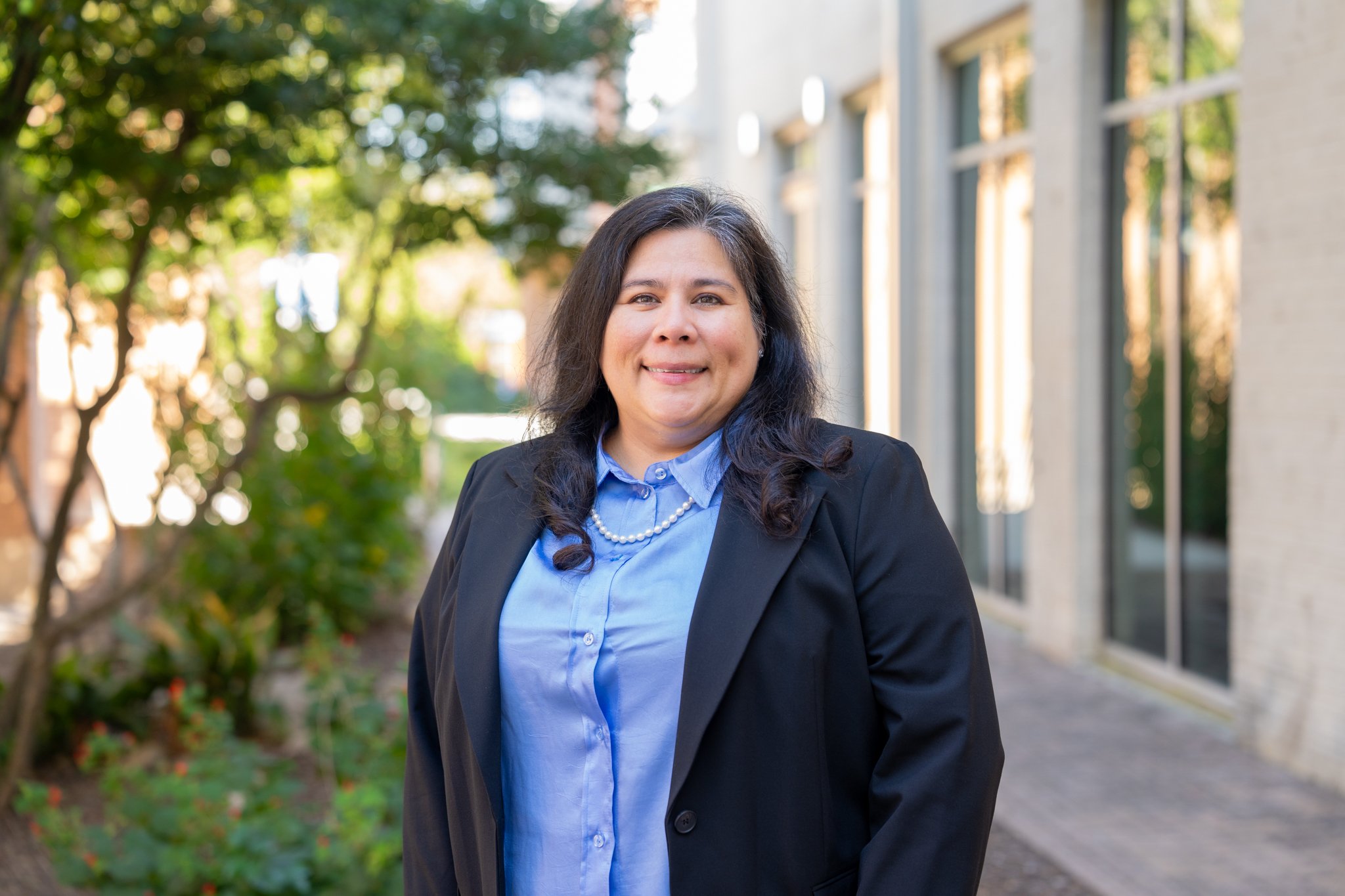
For Caroline Mora, Program Director and lead instructor of the Bachelor of Applied Technology in Cybersecurity Program at St. Philip’s College, student success starts with connection.
Caroline has worked in education and public service since 2007, bringing experience from the Department of Defense, the U.S. Air Force, and the Department of Homeland Security. Her background across military, federal, and academic settings has shaped her student-centered approach to teaching and program development.
Caroline is one of ten faculty members leading The Heart of Teaching: SPC Caring Campus Initiative, launched in Fall 2025. The initiative identified faculty with the strongest student persistence and success outcomes, and aims to strengthen a culture of connection, consistency, and support across the college. She and her colleagues will present their practices during the St. Philip’s College Professional Development Week in January 2026.
“I’ve had the opportunity to highlight strategies that foster engagement, belonging, and positive relationships, which directly contribute to student retention and long-term success,” she said.
Caroline incorporates Caring Campus principles through early and consistent communication. She greets students at the door or online, learns their names, and personally reaches out when someone appears disengaged or misses class. Weekly announcements, reminders, and standardized course modules help students know what to expect.
She conducts early check-ins during the second week of class, providing gentle reminders before deadlines, and offering feedback that begins with strengths before moving to areas for improvement. She calls her office hours “Getting to Know You Sessions” to reduce anxiety and reinforce that cybersecurity is a skill that can be learned through practice.
That support is critical in cybersecurity, a field that can feel intimidating to newcomers tackling advanced labs, technical writing, team projects, and professional presentations. To reduce pressure and build confidence, she uses real-world scenarios, small-group discussions, and a boardwalk-style gallery walk that allows students to share work, review peers’ submissions, and exchange feedback.
“These approaches help students feel safe asking questions, making mistakes, and experimenting in hands-on lab environments,” she said. “When students feel supported and know their instructor is invested, they are more likely to persist through challenges and become confident in mastering cybersecurity concepts and tools.”