


SPC High School Programs Serve More Than 4,000 Students Each Semester
July 8, 2026
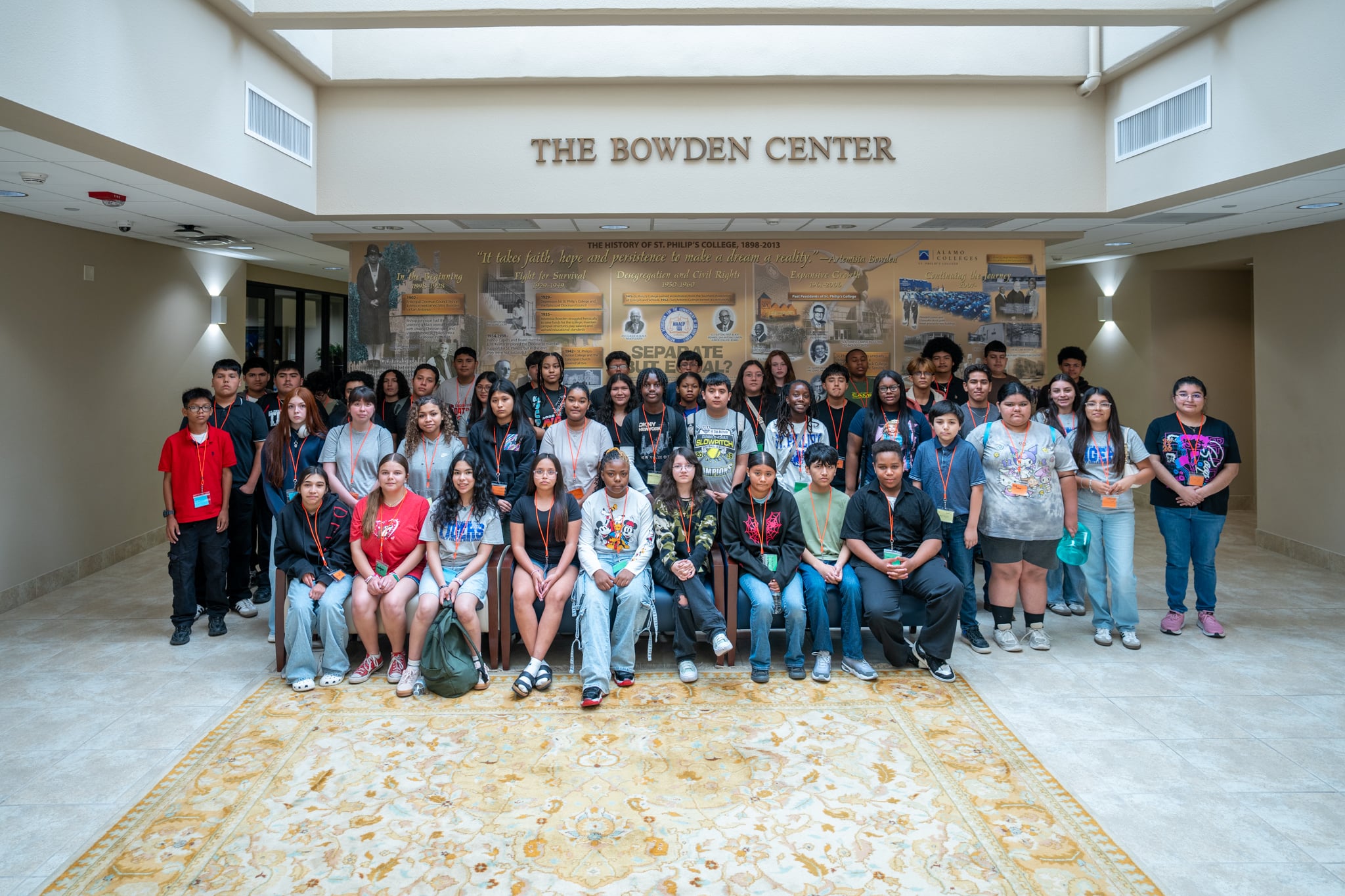
St. Philip's College continues to expand access to higher education through its High School Programs, serving an average of more than 4,000 students each semester through dual credit, Early College High Schools, and Pathways in Technology Early College High Schools (P-TECH).
For the 2026-27 academic year, St. Philip's College will partner with 58 dual credit local education agencies, four Early College High Schools, and nine Pathways in Technology Early College High Schools, commonly known as P-TECH, providing students from public, charter, and private schools, as well as homeschool programs, the opportunity to earn college credit while completing their high school education.
The college's High School Programs have contributed significantly to student success. This year, 548 students who participated in the programs graduated, accounting for more than one-fourth of St. Philip's College's 2,010 overall graduates.
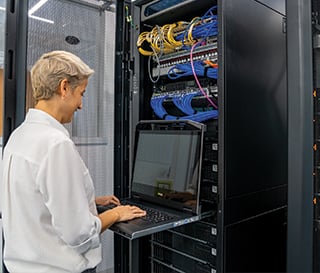
Students participating in the programs can pursue academic pathways leading to an Associate of Arts, an Associate of Arts in Teaching, or completion of the core curriculum. Career and technical education pathways are also available in fields including aircraft technology, manufacturing, electrical and construction trades, welding, automotive technology, culinary arts, cybersecurity, business management, marketing, certified nursing assistant, and phlebotomy.
Early College High Schools, located on college campuses or within partnered high schools, enable students to earn a high school diploma while simultaneously accumulating significant college credit and, in some cases, an associate degree. Pathways in Technology Early College High Schools integrate high school and college coursework with industry experiences to prepare students for postsecondary education and high-demand careers.
By earning college credit while in high school, students can accelerate their educational journey, reduce the time needed to complete a degree, and save on the cost of higher education.