




Form, Function, Beauty, and Feathers: Students Design Houses for the Birds
May 14, 2026
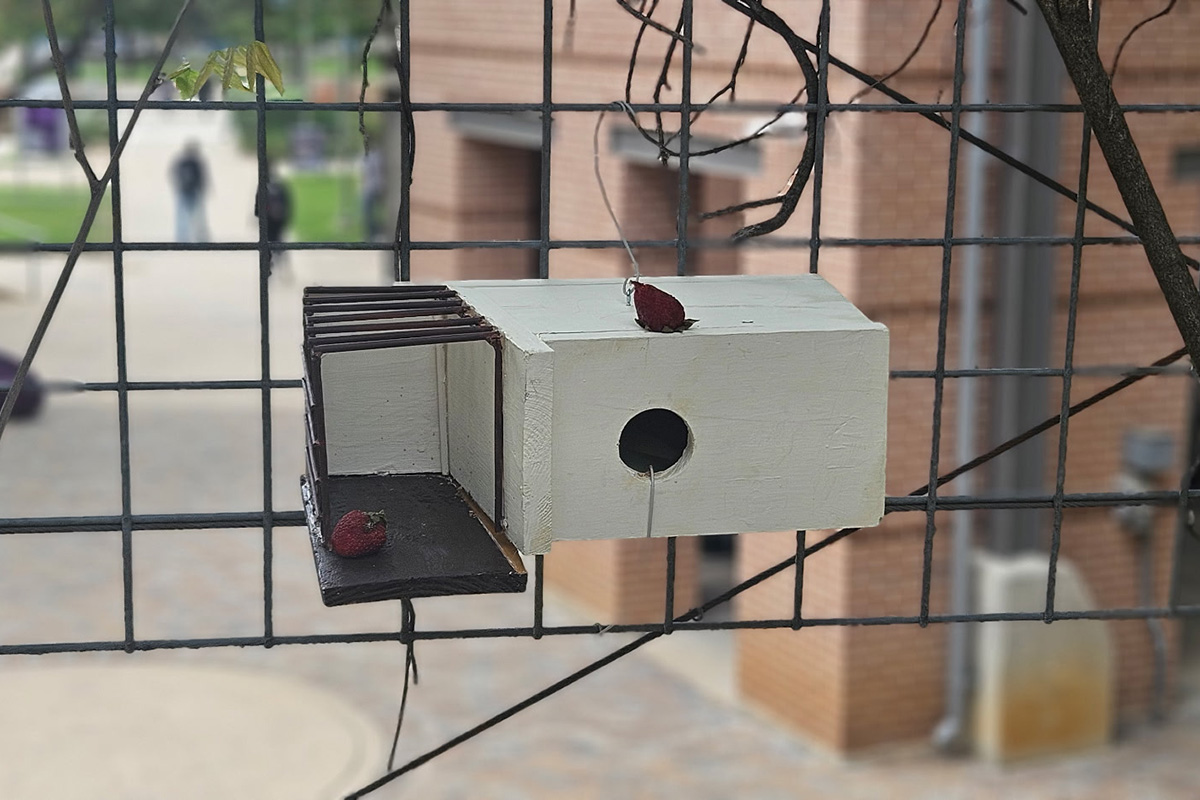
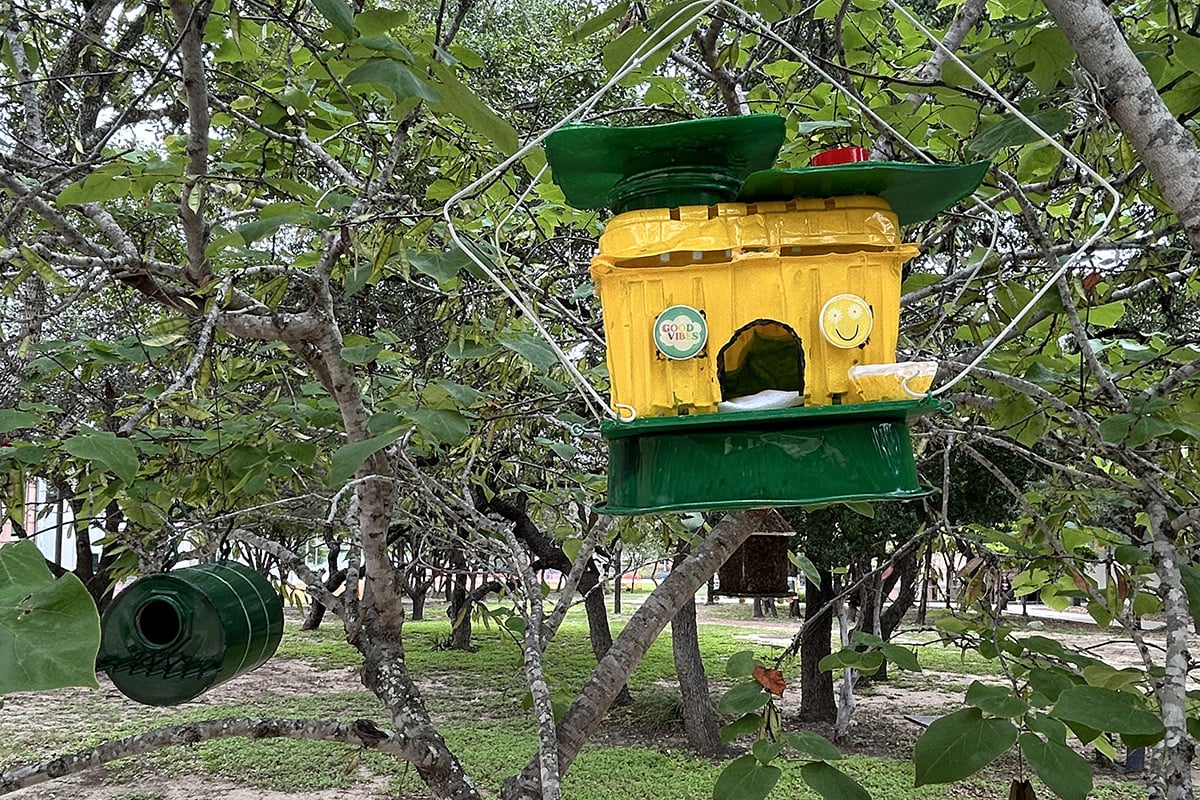
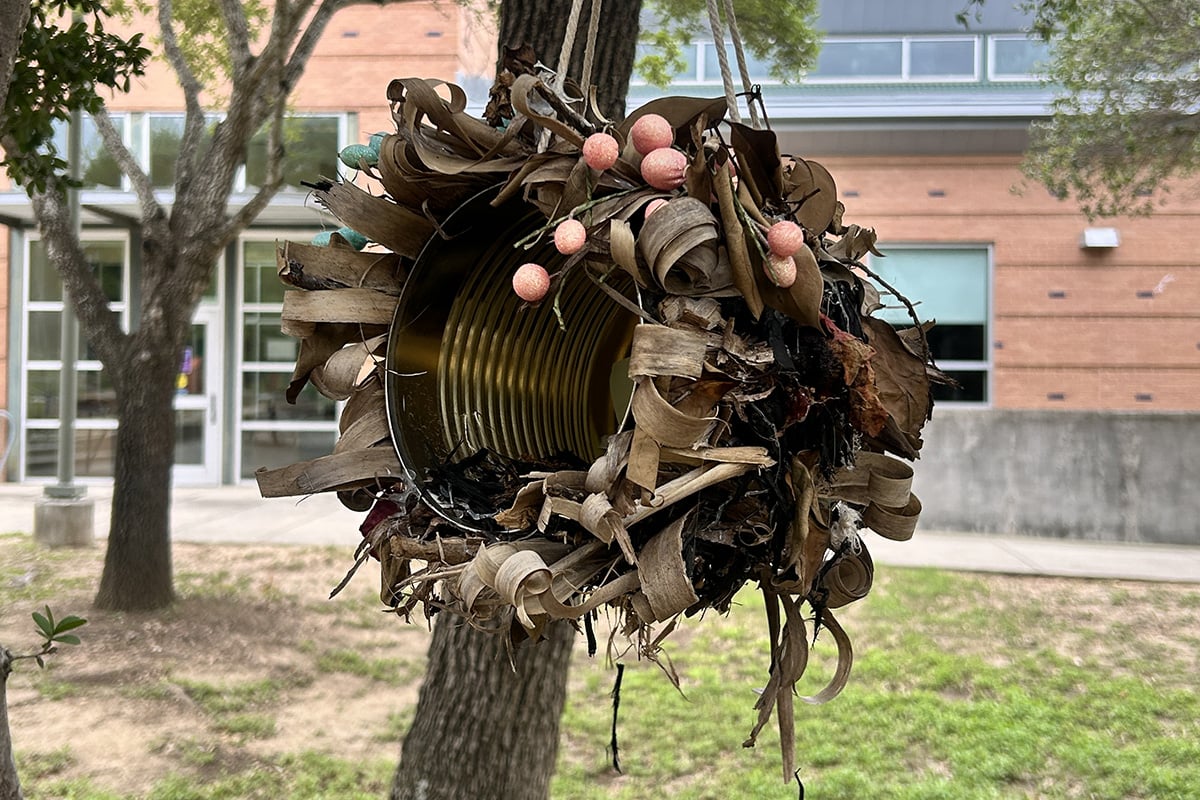
Students in NVC Instructor Eric Franke’s Art Appreciation course have designed and constructed birdhouses using the Roman Vitruvian Model currently on display behind the Palmetto Center for the Arts.
“Supporting biodiversity within urban and suburban environments, these structures were developed in response to the loss of natural habitats, using a Modernist lens, emphasizing creative construction and sustainability,” said Franke.
As part of the project assignment, students utilized 80% recycled or repurposed materials to meet the needs of their avian “clients.” By blending modern aesthetics with eco-conscious building practices, the project demonstrates how artistic intervention can provide functional solutions for local wildlife, with the houses remaining in place until they are no longer occupied.
The architectural foundation of these birdhouses is rooted in the "Vitruvian Triad," a concept originating from the Roman architect Vitruvius that suggests a structure must balance three essential qualities: Firmitas (firmness), Utilitas (commodity), and Venustas (delight). Another English translation is roughly stability, utility, and beauty.
Students were graded on how well their houses achieved Firmitas through robust, durable construction; Utilitas by ensuring the house functions effectively for the birds; and Venustas by creating a design that offers visual delight. By applying this ancient triad to a Modernist birdhouse, the students have created works that are not only structurally sound and useful but also aesthetically significant.
Northwest Vista College, part of the Alamo Colleges District, opened in 1995 with 12 students and has grown to more than 22,000 students. Located in Westover Hills, NVC’s expanding agreements with business and higher education partnerships provide a wealth of opportunities for students and the community.